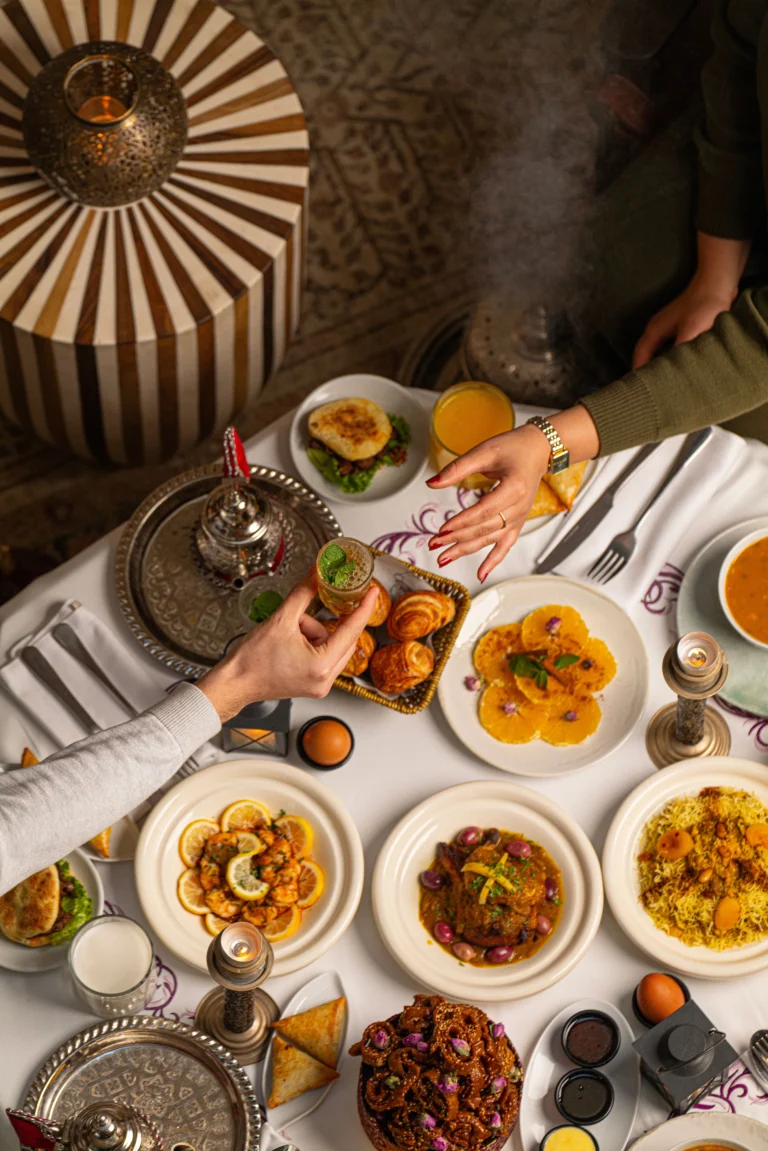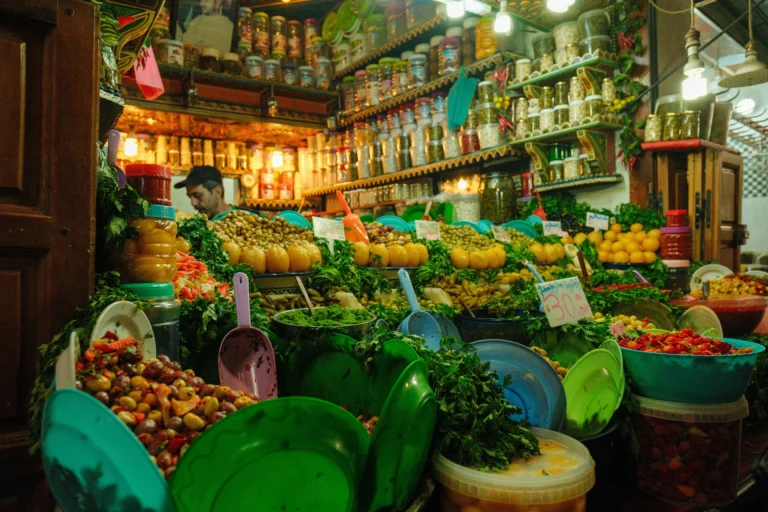
The Best Moroccan Cuisine Guide for Food Lovers
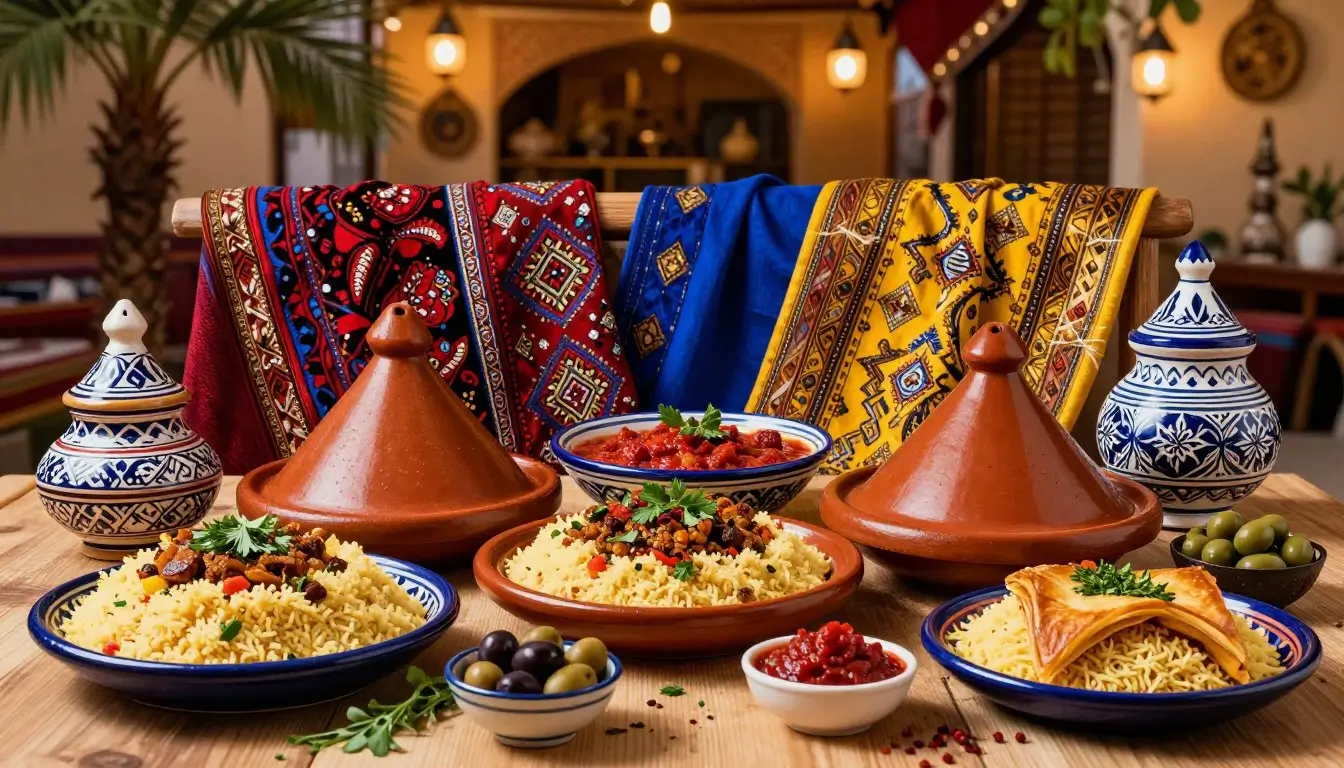
Did you know that over 30 different spices are often blended into a single traditional North African tagine? This incredible complexity is exactly why many home cooks feel intimidated before they even start their journey.
Welcome to your essential Moroccan Cuisine Guide. We designed this resource to help you master those bold, aromatic profiles right in your own kitchen. Whether you are a beginner or a seasoned chef, you will find the tools needed to succeed here.
Think of this moroccan cuisine blog as your personal roadmap to authentic flavors. We encourage you to stay open-minded as you explore the rich history behind every recipe.
By following these simple steps, you will gain the confidence to recreate meals that truly reflect the heart of North African culture. Let’s begin this delicious adventure together and transform your cooking routine today.
Setting the Stage: Your Moroccan Culinary Journey
Your journey into traditional Moroccan cuisine starts with the ancient roots of its food culture. This world is a mix of many influences over centuries. By learning about these origins, you’ll appreciate the complex flavors you’ll soon make.
The cuisine of Morocco is a blend of different cultures. The Berber people, Arabs, Andalusians, and Mediterranean traditions all played a part. Each group added unique techniques and ingredients that shape the country’s food today.
Start this journey with an adventurous spirit. Food is a key part of Morocco’s heritage, linking past and present. Cooking these dishes means joining a tradition of hospitality and sharing meals together.
Exploring the cuisine of Morocco reveals a mix of sweet and savory. Mastering traditional Moroccan cuisine is more than following a recipe. It’s about respecting the history that makes each bite unique. Prepare to enhance your cooking with these timeless methods.
Essential Moroccan Cuisine Guide: Stocking Your Pantry
A well-organized pantry is key to any Moroccan Cuisine Guide. It keeps you ready to make vibrant, traditional meals. This is how you bring the cuisine of morocco to your home.
Must-Have Grains and Legumes
Grains and legumes are the base of many dishes. High-quality semolina couscous is essential for stews and vegetables. Dried chickpeas and brown lentils add texture and protein to soups and tagines.
Choose organic options for the best taste. Store them in airtight glass jars to keep them fresh. Having these staples ready lets you explore the cuisine of morocco anytime.
The Role of Preserved Lemons and Olives
Preserved lemons are a game-changer in Moroccan cooking. They’re pickled for weeks, giving a deeply concentrated citrus flavor. This flavor is both salty and tangy, balancing the richness of slow-cooked meats.
Olives are also key in balancing flavors. Choose from cracked green or salt-cured black olives. They add a savory depth that’s iconic in the region. Always have a jar of each to elevate your dishes.
Selecting High-Quality Moroccan Olive Oil
High-quality olive oil is a must in a Moroccan Cuisine Guide. Look for cold-pressed, extra virgin oils with a robust finish. It’s not just for cooking; it’s used to enhance the aroma of finished dishes.
Investing in premium oil will elevate your recipes’ flavor. Authentic oil adds a silky texture that blends spices and vegetables beautifully. Once you try it, you’ll see why it’s the pantry’s most prized liquid.
Mastering the Art of Moroccan Spices
Exploring Moroccan spices opens a door to a rich, aromatic history. These spices are the heart of Moroccan cooking, adding depth to every dish. Learning to use them well lets you bring authentic Moroccan flavors into your kitchen.
Understanding the Ras el Hanout Blend
Ras el Hanout means “head of the shop,” the best spices a merchant offers. This blend is a mix of old spices passed down through generations. It’s a complex mix that adds a depth of flavor hard to match with single spices.
The Importance of Saffron and Turmeric
Saffron and turmeric are key for the vibrant colors in traditional tagines. Saffron adds a floral aroma, while turmeric brings a warm, earthy flavor. Together, they create a memorable taste and look.
Balancing Sweet and Savory Flavor Profiles
The essence of authentic Moroccan flavors lies in balancing sweet and savory. Dried fruits like prunes or apricots pair well with lamb, and honey with spiced chicken. This balance keeps your taste buds engaged, making each bite a new discovery.
| Spice Name | Primary Flavor | Best Use |
|---|---|---|
| Ras el Hanout | Complex/Aromatic | Meat stews and tagines |
| Saffron | Floral/Delicate | Rice and delicate sauces |
| Turmeric | Earthy/Bitter | Coloring and base seasoning |
| Cinnamon | Sweet/Warm | Savory meat pairings |
Preparing Your First Tagine: A Step-by-Step Approach
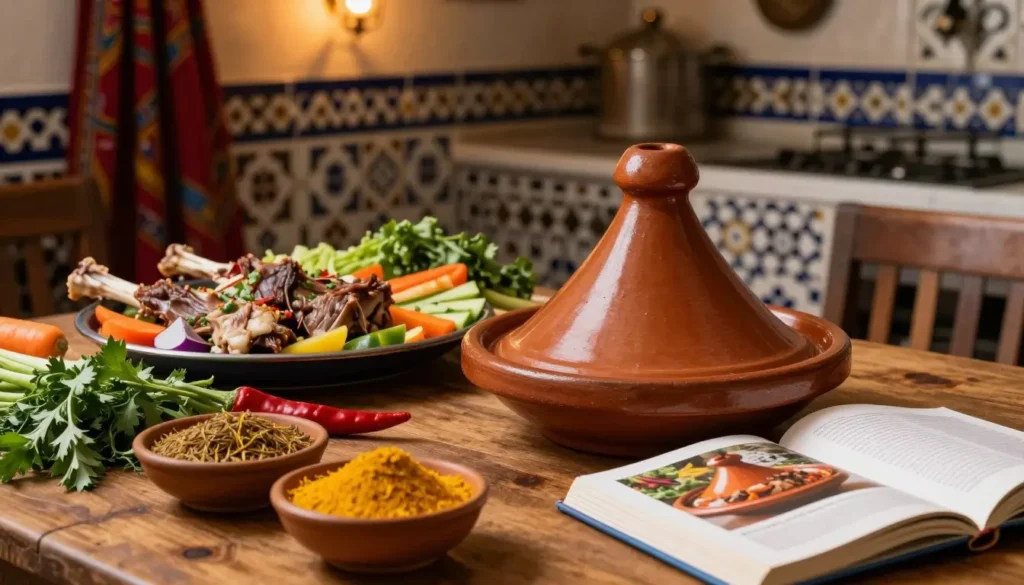
Starting with your first tagine is a journey that connects you to ancient traditions. The special conical pot is made to move steam, keeping your food tender. Learning to use this pot is key to unlocking the rich flavors in moroccan food recipes.
Selecting the Right Tagine Pot
When looking for a tagine, you’ll find glazed and unglazed clay options. Unglazed pots give a earthy, rustic flavor that grows over time. Glazed ones are easier to clean. Make sure the base fits your stove burner well.
Layering Ingredients for Optimal Flavor
The secret to a great stew is layering your ingredients right. Start with harder veggies like carrots or potatoes at the bottom. They protect the meat from direct heat and soak up juices.
Then, put seasoned meat or poultry in the middle. Top it with softer veggies, herbs, and preserved lemons. This strategic layering ensures even cooking without burning the delicate parts.
Managing Heat and Cooking Times
Working with clay requires patience. Use a low flame to prevent cracking and let flavors blend slowly. These moroccan cooking tips will help you get that tender texture.
Safety Tips for Clay Tagine Maintenance
Before first use, soak unglazed tagines in water for hours to season them. Avoid sudden heat changes to prevent damage. Always use a heat diffuser to safely distribute heat.
| Feature | Unglazed Clay | Glazed Ceramic |
|---|---|---|
| Flavor Profile | Earthy and traditional | Neutral and clean |
| Maintenance | Requires seasoning | Dishwasher friendly |
| Best Use | Slow-cooked stews | Serving and reheating |
By following these steps, making authentic moroccan food recipes will become easy. With proper care, your tagine will be a valuable kitchen tool for years.
Crafting Authentic Moroccan Couscous
Learning to make couscous is a big step for any cook wanting to try real Moroccan flavors. Unlike quick-boil methods, the true beauty of couscous comes from the traditional steaming process. This slow method turns simple semolina grains into a light, airy, and tasty dish.
Choosing the Right Semolina Grade
The quality of your semolina is key to a great couscous. Look for durum wheat semolina for the best taste and texture. It comes in different grades, from fine to coarse.
A medium-grain semolina is best for most recipes. It keeps its shape well and doesn’t get mushy. Make sure to buy high-quality, authentic semolina to get the best authentic results in your kitchen.
The Traditional Steaming Process
To get that fluffy texture, you need a couscoussier, a special steamer. The bottom pot holds your stew, and the top basket lets steam pass through the grains.
Start by moistening the semolina with water and oil, rubbing it to prevent clumps. Place the grains in the steamer and cook over the stew for about twenty minutes. This way, the couscous soaks up the rich essence of your spices and veggies.
Fluffing and Seasoning Techniques
After steaming, fluff the grains. Move the hot couscous to a large platter. Use a fork or your hands to break up any lumps, keeping each grain distinct and light.
Now’s the time to add your seasonings. A bit of high-quality butter or olive oil makes it silky. You can also add a pinch of saffron or cinnamon to boost the aroma. This creates a base that’s perfect with your stews and roasted veggies.
Exploring Popular Moroccan Dishes Beyond the Basics
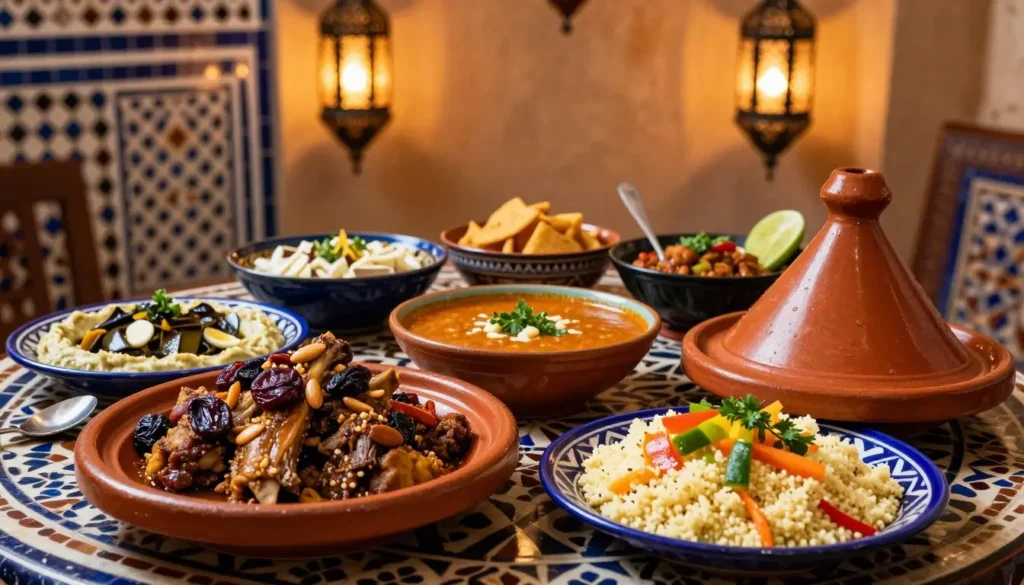
A world of complex and delightful Moroccan flavors awaits you. Once you master the basics, you can explore the best moroccan dishes. These recipes show how to balance textures and flavors.
Preparing Savory Pastilla
Pastilla is a masterpiece that blends sweet and savory. It’s a flaky, golden pastry filled with shredded chicken or squab, toasted almonds, and spices.
Finishing it with powdered sugar and cinnamon adds a surprising twist. This creates a sophisticated flavor that will wow your guests.
Slow-Cooking Lamb with Prunes
This classic tagine is perfect for tender meat. The slow-cooking process caramelizes the prunes, creating a rich sauce that complements the spices.
Use a heavy-bottomed pot or clay vessel for the best results. Patience is key, as the slow heat makes the lamb incredibly tender.
Making Harira Soup at Home
Harira is a hearty soup loved in many Moroccan homes. It’s filled with lentils, chickpeas, tomatoes, and fresh herbs, making it nutritious and satisfying.
Here are some tips for making it at home:
- Use fresh celery and cilantro for a vibrant base.
- Toast your flour before adding it to the broth for a smooth thickening.
- Serve with a squeeze of lemon to enhance the flavors.
Adding these recipes to your menu will expand your Moroccan cooking skills. Each dish offers a glimpse into Moroccan cooking, encouraging you to try bold spices and traditional techniques.
Perfecting Moroccan Salads and Appetizers
You can easily bring the spirit of a Moroccan feast to your home by mastering a few simple starters. These vibrant plates are essential for any gathering, as they set a welcoming tone for the rest of your meal. By focusing on fresh ingredients, you will capture authentic moroccan flavors that delight the palate.
Moroccan appetizers are among the most popular moroccan dishes for casual entertaining because they are both healthy and visually stunning. Whether you are hosting a large dinner party or a quiet family meal, these starters provide a wonderful variety of textures and tastes.
Creating Zaalouk Eggplant Dip
Zaalouk is a staple in many households and serves as a delicious, smoky eggplant dip. To make it, you slowly cook eggplant with tomatoes, garlic, and a blend of aromatic spices until the mixture becomes soft and spreadable. The secret lies in the patience you take to let the vegetables caramelize and meld together.
Preparing Fresh Tomato and Cucumber Salads
For a lighter option, a crisp tomato and cucumber salad is a refreshing choice. You should dice your vegetables into small, uniform pieces to ensure every bite is perfectly balanced. This simple dish relies on the quality of your produce, so choose the ripest tomatoes you can find at your local market.
Balancing Citrus and Herb Dressings
The final touch for any great salad is the dressing, which should highlight the natural brightness of the vegetables. A classic combination involves high-quality olive oil, fresh lemon juice, and a generous handful of chopped parsley or cilantro. Balancing these acidic and herbal notes is key to achieving the authentic moroccan flavors that define these popular moroccan dishes.
Brewing the Perfect Glass of Moroccan Mint Tea
No Moroccan feast is complete without mint tea. This refreshing drink cleanses your palate after enjoying the best moroccan dishes. It’s more than a drink; it’s a sign of hospitality and warmth.
Selecting the Right Green Tea Base
Start with the right foundation for an authentic flavor. Traditional recipes use Gunpowder green tea. Its small, tightly rolled leaves unfurl slowly, giving a robust and earthy taste.
The Ritual of Pouring from a Height
The preparation has a special technique. Pour the tea from high into small glasses. This creates a delicate layer of foam on top. It also aerates and cools the tea before serving.
Adjusting Sweetness and Fresh Mint Ratios
Customizing your tea is a personal journey. Balance the green tea’s intensity with sugar. Pack the glass with fresh spearmint sprigs, making sure they’re clean. For a lighter flavor, adjust the steeping time or sugar amount.
Mastering these steps ensures your meals end on a high note. Serving this tea with the best moroccan dishes makes for a memorable experience. Enjoy the process of perfecting this tradition in your kitchen.
Traditional Moroccan Cooking Techniques and Tools
To get the real taste of Moroccan food, you need the right tools and patience. Learning these methods lets you make complex moroccan food recipes at home. Knowing how local chefs use their tools can make you a pro in the kitchen.
Using the Clay Tagine Effectively
The clay tagine is more than a pot; it’s a masterpiece of engineering for keeping moisture in. Its conical lid helps steam circulate, making your food tender. Always soak a new clay vessel in water before using it to avoid cracking.
To keep your tagine in good shape, use a heat diffuser on your stovetop. This tool stops direct flame contact and spreads heat evenly. As you explore moroccan spices, you’ll see the clay adds a unique, earthy flavor that metal pots can’t match.
The Art of Slow Cooking
Slow cooking is key in Moroccan kitchens. It lets flavors blend and get stronger over hours. This method tenderizes meats and softens veggies until they’re perfectly buttery. Patience is key for authentic results.
Simmering your dishes on low heat lets the base of onions, garlic, and herbs infuse every part of the meal. This is key for the rich, complex flavors in classic moroccan food recipes. The longer it cooks, the better the flavors mix with the sweetness of dried fruits.
Essential Kitchen Utensils for Moroccan Chefs
Having the right tools makes exploring moroccan spices and cooking traditional meals easier. While the tagine is essential, other items are also vital. Here are some must-haves for your kitchen:
- Heat Diffuser: Protects your clay vessels from direct flame damage.
- Wooden Spoons: Ideal for stirring delicate ingredients without scratching surfaces.
- Fine-Mesh Sieve: Necessary for washing grains and straining aromatic broths.
- Heavy-Bottomed Skillet: Perfect for searing meats before they enter the slow-cooking process.
Tips for Sourcing Authentic Ingredients in the United States
Bringing Moroccan flavors to your American kitchen is easier than you think. Some items might seem hard to find, but with a few moroccan cooking tips, you can create a chef-worthy pantry. Finding the right spices or semolina is closer than you think.
Finding Specialty Middle Eastern Markets
Local Middle Eastern grocery stores are your best friends for authentic goods. They carry high-quality imports that big supermarkets miss. Don’t be afraid to ask the shop owner for advice, as they love their products and can help you find the best.
If you can’t find a local market, many online retailers sell North African pantry staples. Websites like these make it easy to get essentials like preserved lemons and harissa. Always read customer reviews to make sure the vendor offers fresh and quality products.
Identifying Authentic Moroccan Imports
When shopping, look for labels that say where the product comes from. Real products often have Arabic or French text on their packaging. High-quality olive oil should be in dark glass bottles to keep its flavor from getting ruined by light.
Check the spice blend ingredient lists carefully. A true Ras el Hanout should have a mix of aromatic spices, not fillers or artificial stuff. Choosing products made the traditional way ensures your dish tastes like real Moroccan food.
Substituting Ingredients When Necessary
Even if you can’t find a specific ingredient, you can make do with substitutes. For example, if fresh preserved lemons are hard to find, you can make a quick version by curing lemon slices in salt and lemon juice for a few days. These moroccan cooking tips help you keep your meal true to the recipe without needing every specialty item.
While trying these recipes, always keep safety in mind. If you ever visit Morocco, drink only bottled water to avoid getting sick from food. Staying healthy lets you fully enjoy the amazing food of Morocco.
Conclusion
Your kitchen is now ready to become a hub for vibrant North African flavors. Bringing the essence of traditional moroccan cuisine into your daily routine transforms simple meals into memorable experiences.
You have the tools and knowledge to craft authentic dishes that honor a rich, centuries-old heritage. Every spice blend you mix and every tagine you simmer connects you to a deep history of hospitality.
The true heart of traditional moroccan cuisine remains the patience and love you pour into your cooking. Focus on the quality of your ingredients and the joy of the process as you refine your skills.
Share these aromatic meals with your friends and family to keep the spirit of this culture alive. Your culinary journey is just beginning, so continue to experiment with new combinations and bold profiles.
We invite you to keep exploring the depth of these recipes in your own home. Enjoy the delicious path ahead as you master the art of this timeless cooking style.