Best Time to Visit Morocco: Ultimate Seasonal Guide
Did you know Morocco gets over 300 days of sunshine every year? Yet, picking the best time to visit Morocco needs careful thought. It depends on what you like to do and see.
The country has a wide range of landscapes. You can find snowy mountains and huge deserts. Knowing how the seasons change can make your trip better. Whether you love busy city markets or peaceful beaches, the weather affects your comfort.
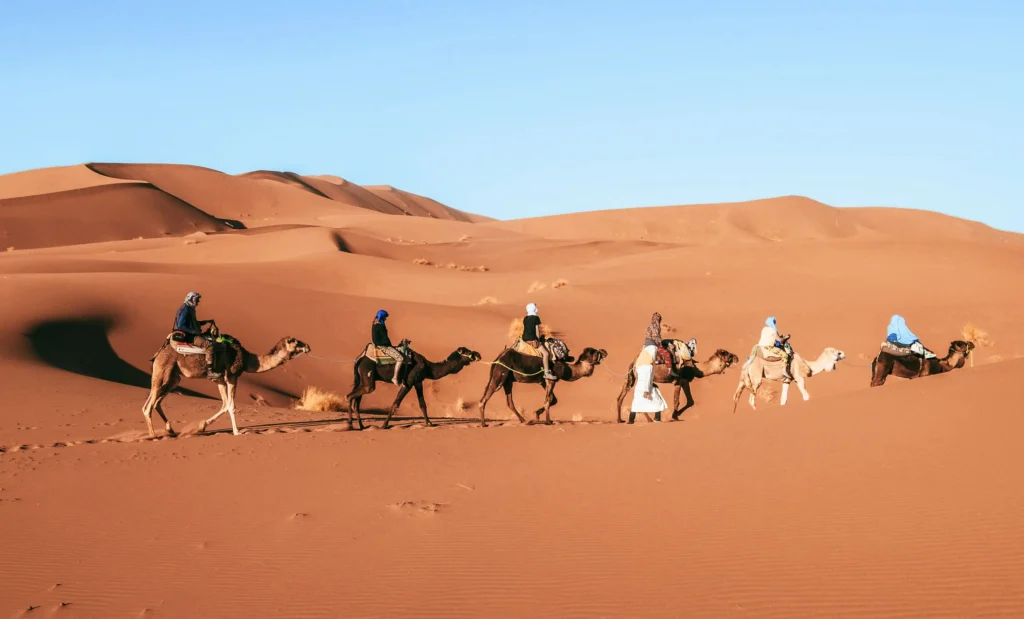
This guide will help you plan your dream trip. We’ll look at how each month changes Morocco. This way, you can choose the best time for your adventure.
Key Takeaways
- Spring and autumn are the best times for city explorations.
- Summer can be very hot, more so in the deserts.
- Winter is great for skiing in the Atlas Mountains.
- Coastal areas stay pleasant most of the year thanks to sea breezes.
- Planning around local festivals can make your cultural experience richer.
Understanding the Climate and Geography of Morocco
Geography shapes your Moroccan adventure, affecting the weather you’ll face. Morocco is at the crossroads of the Atlantic, Mediterranean, and Sahara Desert. This means the Morocco climate changes quickly as you travel.
Knowing how these natural features work helps you prepare for your destination. Whether you want beaches or mountains, understanding the land is essential for a great trip.
How Morocco’s Diverse Landscapes Influence Weather
The Atlas Mountains split the country into two climates. They block moisture from the north, making one side lush and the other dry.
This is why the north gets a lot of rain, while the south is very dry. The elevation also plays a critical role, as temperatures drop with higher altitudes.
Regional Differences Between the Coast, Mountains, and Desert
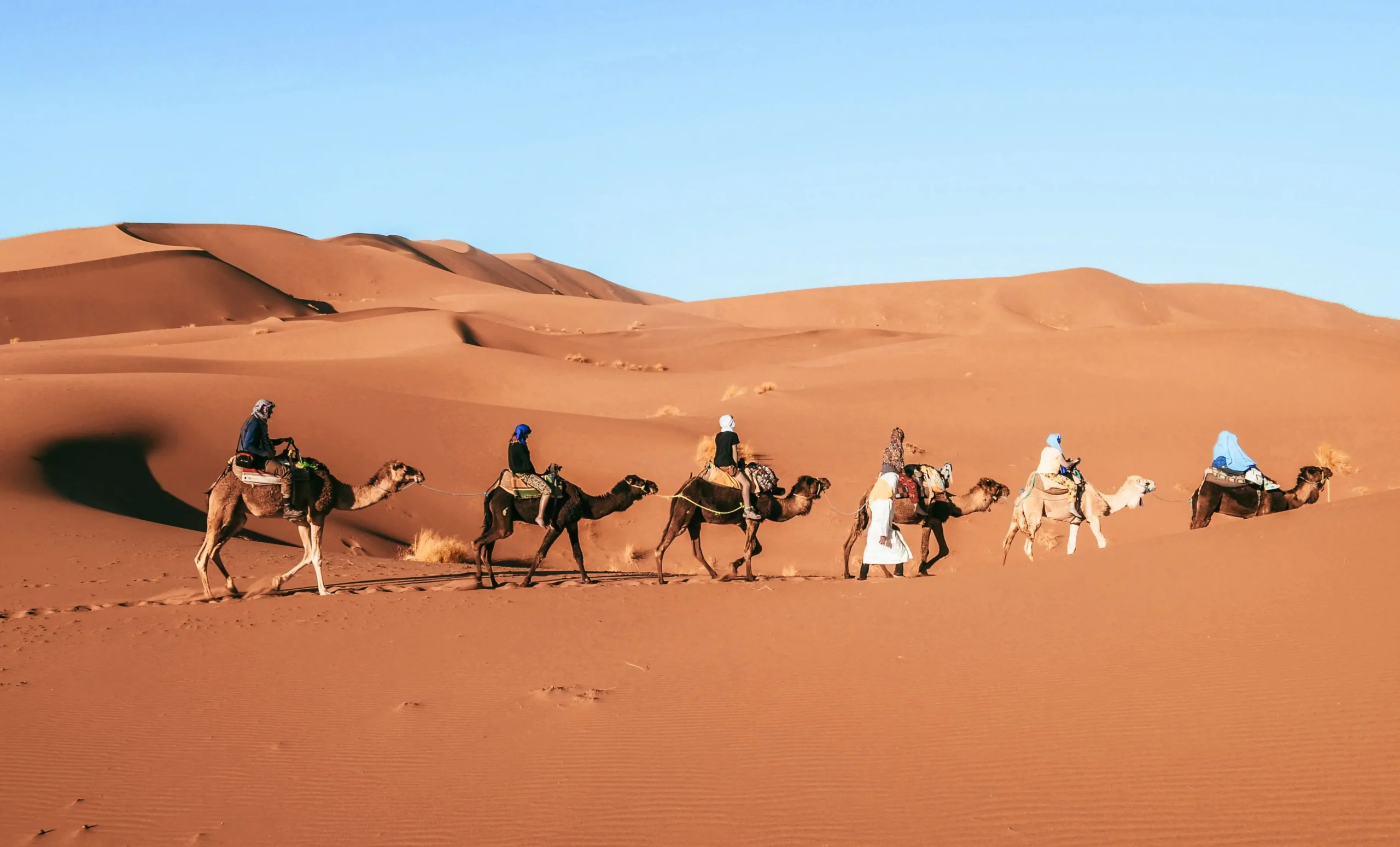
Your experience will change based on where you go. The coast has a Mediterranean climate, keeping temperatures mild. The Sahara Desert has huge temperature differences between day and night.
Here’s a quick look at the three main zones:
| Region | Typical Climate | Best Feature |
|---|---|---|
| Coastal | Mild and Breezy | Ocean Refreshment |
| Mountainous | Cool and Seasonal | Dramatic Scenery |
| Desert | Hot and Arid | Starlit Nights |
Remembering these differences helps you pack right. Preparation is key to enjoying Morocco’s diverse beauty.
Determining the Best Time to Visit Morocco for Your Travel Style
Choosing the best time to visit Morocco is a personal choice. It depends on what you like and the weather. You might want quiet, budget-friendly months or lively festival seasons. Planning your trip to match the country’s seasons makes it special for you.
Identifying Your Primary Travel Goals
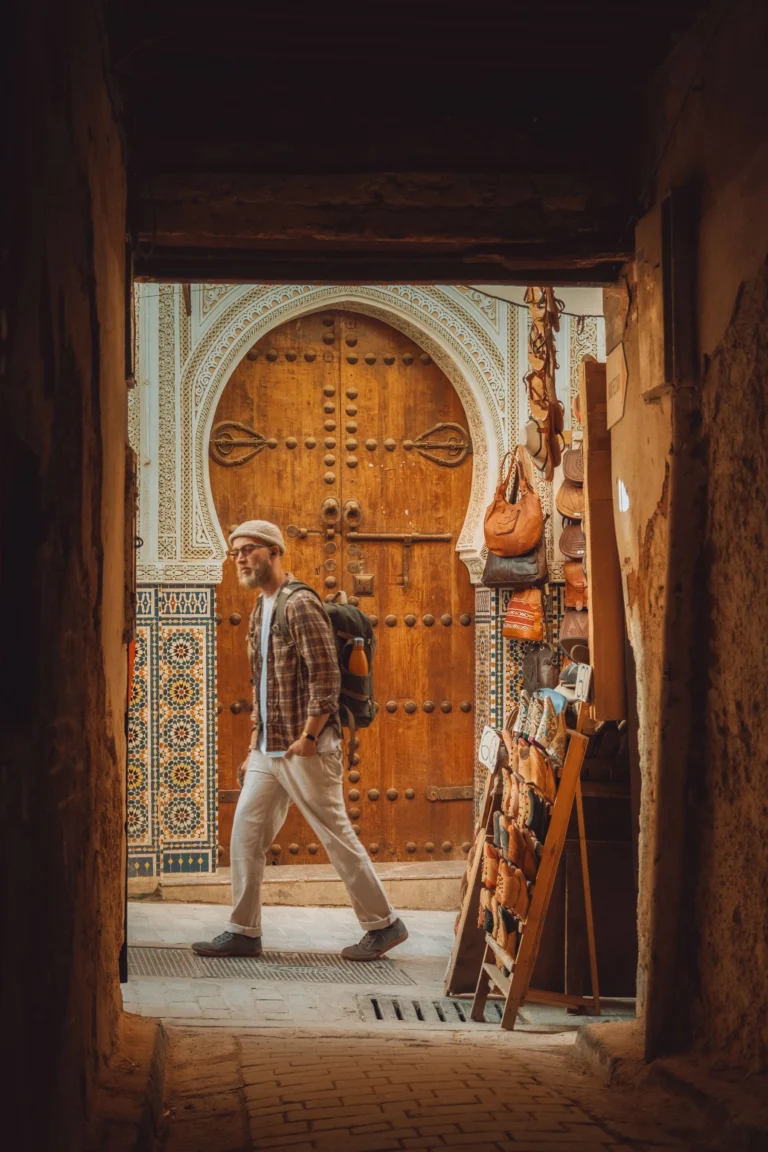
If you love adventure, like trekking in the High Atlas Mountains, look for mild weather. The shoulder seasons are best for hiking. But, if you want to see Fes or Marrakech’s medinas, go in cooler autumn or spring.
For those who love culture, visiting during festivals is a must. You can see traditional music or harvest celebrations. Knowing your primary travel goals helps pick the best time to visit Morocco easily.
Balancing Weather Preferences with Crowd Levels
It’s important to balance weather and crowds for a great trip. Busy times are lively but crowded. Quiet seasons offer a closer look at local life.
The table below compares your preferences with Morocco’s seasons:
| Travel Style | Preferred Season | Key Benefit |
|---|---|---|
| Adventure Seeker | Spring/Autumn | Ideal hiking temperatures |
| Budget Traveler | Winter | Lower accommodation costs |
| Cultural Explorer | Spring | Vibrant local festivals |
| Relaxed Sightseer | Late Autumn | Fewer crowds at sites |
The best time to visit Morocco depends on your heat tolerance and social preferences. Whether you prefer busy months or quiet off-seasons, planning ensures a perfect trip.
Planning Your Trip During the Pleasant Spring Months
Planning a trip to Morocco in spring is perfect. The weather is mild, and the natural beauty is stunning. The landscape transforms, turning dry plains into green valleys. The temperatures are just right for walking in cities and exploring outdoors.
Why Spring is Considered the Peak Season
Spring is the best time to visit Morocco. It’s not too hot like summer, and not too cold like winter. You can walk through historic medinas without feeling too hot. Many people visit in spring to enjoy the nice weather and see popular sites easily.
The country is easy to get around in spring. Roads to remote areas are clear, and mountain passes are open. The atmosphere is lively as locals get ready for the busy season.
Must-See Events and Festivals in March and April
Spring is a great time for cultural events. You can see traditional music, dance, and crafts. These events let you connect with the local community.
- Nomad Festival: A celebration of desert culture with traditional music and sports.
- Rose Festival: Held in the Dades Valley, this event marks the harvest of damask roses.
- International Festival of Nomadic Culture: An immersive experience showing desert traditions.
Enjoying the Blooming Landscapes of the Atlas Mountains
The Atlas Mountains are a paradise in spring. As the snow melts, wildflowers and greenery bloom. It’s a dream for photographers. You can hike scenic trails with stunning views of snow-capped peaks and blooming plants.
| Activity | Best Region | Difficulty Level |
|---|---|---|
| Mountain Trekking | High Atlas | Moderate to Hard |
| Cultural Tours | Marrakech | Easy |
| Valley Hiking | Dades Valley | Easy to Moderate |
| Photography | Ourika Valley | Easy |
Navigating the Heat of the Moroccan Summer
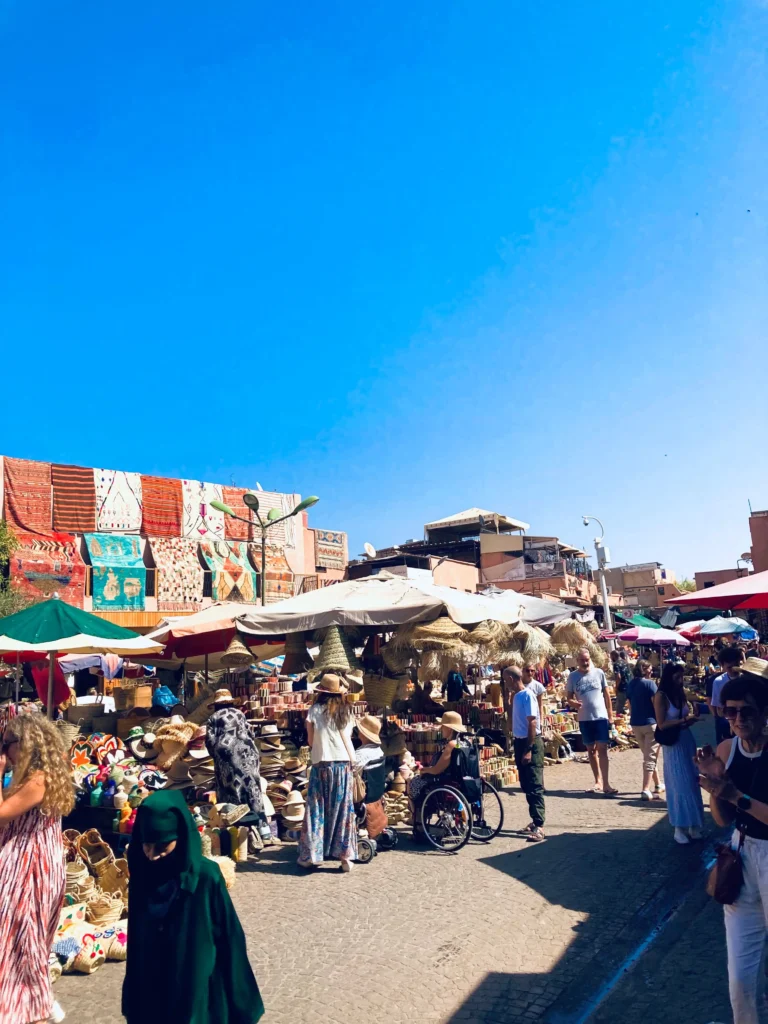
Summer in Morocco is hot, but it’s also full of chances for adventure. When you visit morocco in summer, you’ll face intense heat, mainly in places like Marrakesh. But, with the right plan, you can make it a great trip.
Tips for Visiting Coastal Cities During Peak Heat
Going to the Atlantic coast is the best way to beat the heat. Places like Essaouira and Tangier have cool ocean breezes. These coastal spots are perfect when it’s hot.
- Choose accommodations with natural ventilation or reliable air conditioning.
- Plan your outdoor sightseeing for the early morning or late evening hours.
- Spend your afternoons relaxing by the water where the sea air remains pleasant.
Safety Precautions for Desert Excursions in July and August
Visiting the Sahara is exciting, but it’s very hot in July and August. Staying hydrated is not just a suggestion; it is a necessity for your survival.
“The desert is a beautiful, unforgiving place that demands respect and careful preparation from every traveler.”
Travel with a trusted guide who knows the desert. Avoid hard activities from noon to four when it’s hottest. Wear loose, breathable clothes to keep cool.
How to Stay Cool While Exploring the Medinas
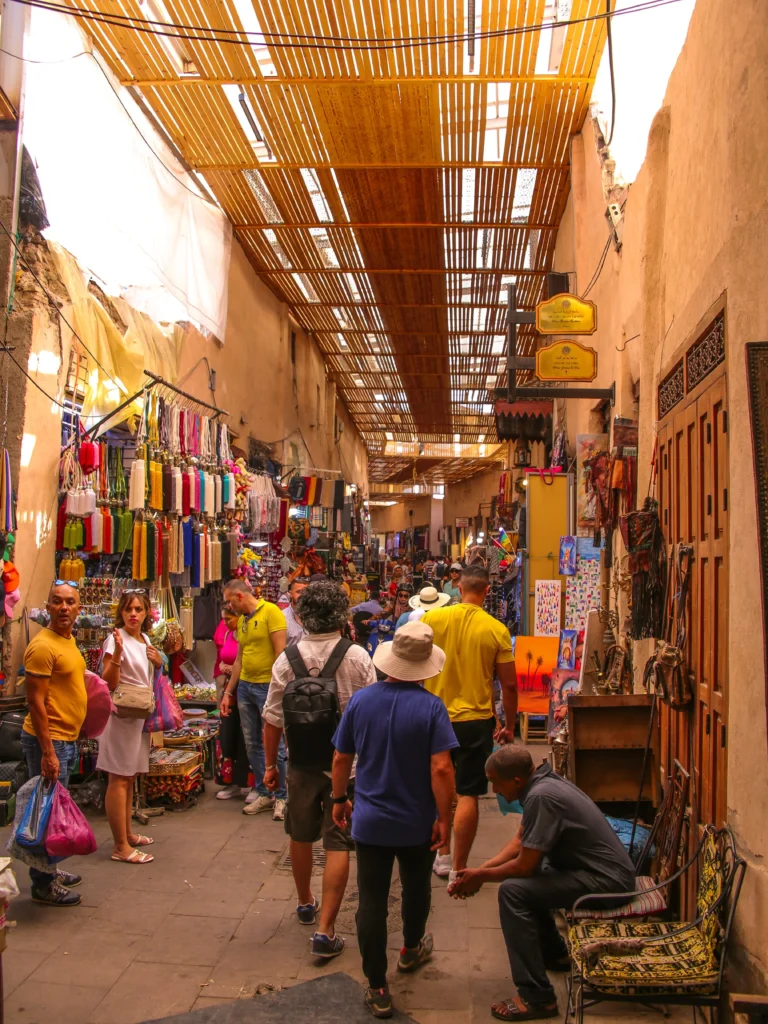
Walking in a Medina’s narrow alleys can feel like walking into an oven. Take a midday siesta to avoid the heat. Rest in your riad and enjoy the evening later.
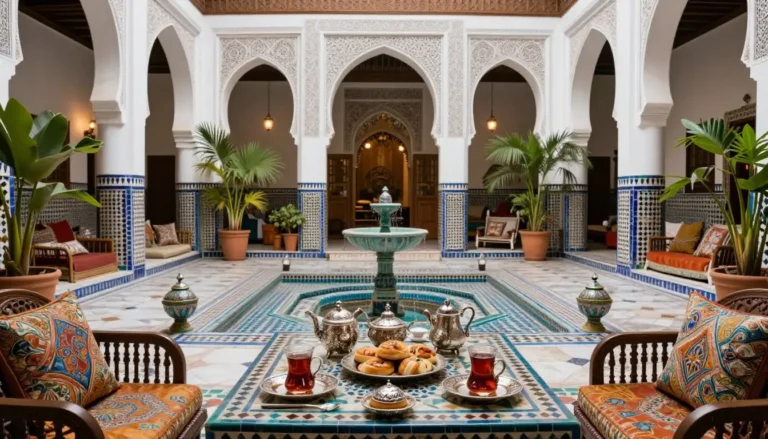
Look for shaded spots and tea houses for mint tea. Ancient buildings keep the inside cool. Move slowly and stay in the shade to enjoy morocco in summer without getting too hot.
Experiencing the Mild Temperatures of Autumn
Traveling through morocco in autumn is a unique experience. The weather is pleasant, and the culture is vibrant. As summer’s heat fades, Morocco becomes perfect for exploring outdoors.
This season is great for visiting mountains and deserts. You’ll find the perfect weather for any adventure.
Why September and October Offer the Perfect Balance
September and October are the best months to visit. The days are warm, and the nights cool down. This makes it ideal for hiking or desert trips.
Unlike summer, the cooler weather lets you explore longer. Enjoy the golden hour in the dunes or mountain trails. Many find morocco in autumn perfect for active vacations.
Cultural Experiences and Harvest Festivals
Autumn brings harvest celebrations across Morocco. You can see local traditions like date festivals and olive harvests. The cultural calendar is full of authentic events.
- Date Festivals: Experience the sweet bounty of the Sahara in towns like Erfoud.
- Olive Harvests: Participate in local agricultural traditions in the foothills of the Atlas.
- Artisan Markets: Enjoy the bustling atmosphere as locals prepare for the cooler months ahead.
Packing Essentials for Variable Fall Weather
The weather in autumn can change quickly. You need to pack versatile clothes. This ensures you stay comfortable all day.
| Item | Purpose | Recommendation |
|---|---|---|
| Light Jacket | Evening warmth | Denim or windbreaker |
| Breathable Layers | Daytime comfort | Cotton or linen shirts |
| Sturdy Footwear | Trekking | Broken-in hiking boots |
Don’t forget a light scarf or shawl. It’s stylish and useful for visiting religious sites. Flexible luggage means you’re ready for any adventure.
Preparing for a Winter Escape to Morocco
Winter is the best time to see Morocco’s true charm. While others seek summer heat, you’ll find a calm, authentic Morocco. This season shows a side of the country hidden in summer.
Exploring historic sites is easier without crowds. It’s a refreshing way to connect with local culture and save money.
Skiing in the Atlas Mountains During December and January
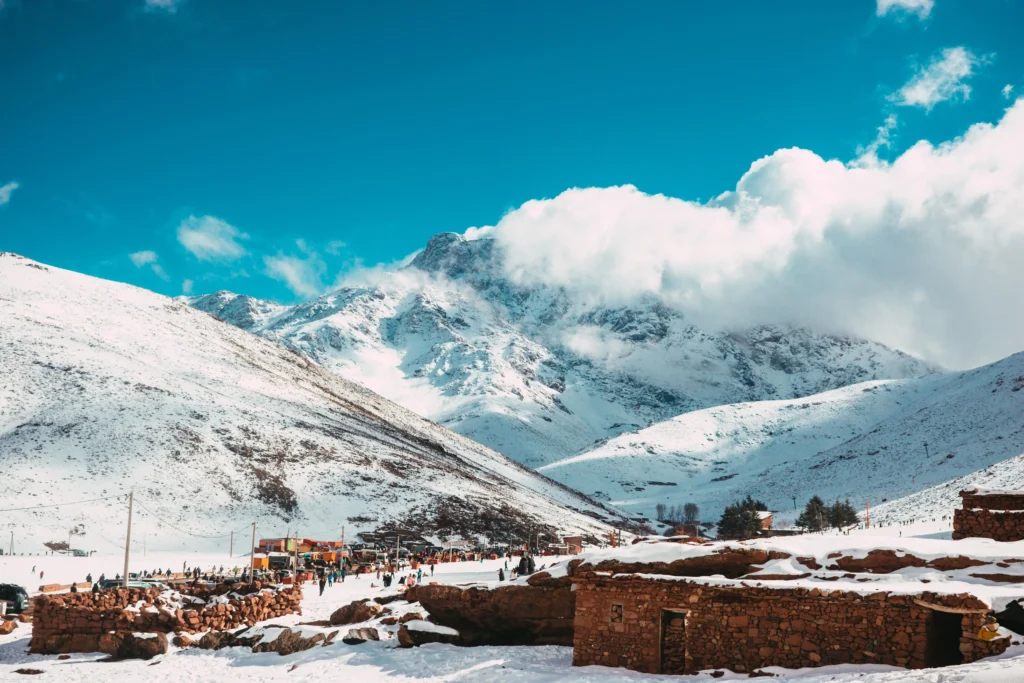
Morocco has amazing skiing spots. In December and January, the High Atlas Mountains are snowy. This creates a beautiful contrast with the desert.
Oukaimeden is the top spot for winter sports. Here, you can ski and enjoy stunning views of the rugged terrain.
Enjoying Sunny Days and Chilly Nights in Marrakech
Marrakech is magical in winter. You’ll have sunny days for exploring souks or relaxing in riads.
But, the desert gets cold at night. So, pack layers to stay warm.
The Benefits of Traveling During the Low Season
Traveling in the low season offers a unique experience. Attractions are less crowded, letting you enjoy the atmosphere.
Visiting in winter also saves money. You can find luxury stays at lower prices, making your trip more affordable.
Analyzing Morocco Weather by Month for Precise Scheduling
Knowing the morocco weather by month is key to a great vacation. By looking at the year, you can plan your trip to match your preferences. Whether you love snow or sun, knowing what to expect helps you pack right and choose the best places.
Early Year Travel: January Through March
The start of the year brings cool air to most of the country. The Atlas Mountains get significant snowfall, perfect for winter sports fans. Coastal areas stay mild but can get rainy.
As March comes, the landscape turns green. This time offers a refreshing climate for exploring cities without summer heat. It’s great to see the country wake up from winter.
Mid-Year Transitions: April Through August
Spring is the best time to visit, with comfortable temperatures everywhere. April and May are great for outdoor adventures and city tours. The desert is warm but not too hot, making camel rides comfortable.
June, July, and August get very hot, more so in the interior and desert. Coastal cities like Essaouira are cooler. Plan for early mornings and shade in the afternoon.
Late Year Planning: September Through December
Autumn is a relief from summer’s heat, making September and October perfect for travel. The weather is warm and sunny, ideal for the Sahara or historic sites. This time is great for outdoor festivals and cultural events.
November and December get cooler, more so in the desert and mountains. Days are sunny, but nights are chilly. Pack layers for comfort at night. This season is peaceful, away from spring crowds.
| Season | Temperature Range | Best For |
|---|---|---|
| Winter | 45°F – 65°F | Skiing and City Tours |
| Spring | 60°F – 80°F | Hiking and Sightseeing |
| Summer | 75°F – 100°F+ | Coastal Escapes |
| Autumn | 65°F – 85°F | Desert Treks and Culture |
Your travel dates depend on what you like and what you want to do. Keep this morocco weather by month guide in mind for a smooth, enjoyable trip.
Selecting the Ideal Time Based on Your Budget
Visiting Morocco can be affordable if you choose the right time. Knowing the best time to visit Morocco helps you save money. You’ll get better deals and avoid crowds by traveling during less busy times.
Finding Off-Season Deals on Flights and Accommodations
Traveling in the off-season is a smart money move. Airlines and riads offer significant discounts during these times. This way, your money stretches further, away from the peak prices.
Visit in late autumn or early spring for good weather and lower prices. These periods are ideal for avoiding summer heat and holiday prices. Booking then means you get more for your money.
Managing Costs During Peak Tourist Periods
Traveling in peak times can be pricey, but planning helps. Book flights and hotels early to get better rates. Being flexible is key during busy seasons.
- Compare prices across multiple booking platforms to find the best deals.
- Look for accommodations slightly outside the main city centers to save on nightly rates.
- Use public transportation or shared shuttles instead of private transfers to reduce daily expenses.
Strategies for Booking Affordable Luxury Experiences
Enjoying Morocco’s luxury doesn’t have to break the bank. Many high-end activities, like desert tours or spa treatments, are cheaper during the best time to visit Morocco. Look for packages that include your stay and activities to save more.
Check for mid-week rates, as weekends are pricier. Staying in a luxury riad during the week can save you a lot. With these tips, you can have a luxurious trip without overspending.
Aligning Your Visit with Cultural and Religious Holidays
Planning your trip around Morocco’s cultural and religious holidays can give you a deeper connection to the local way of life. These events add complexity to your plans but offer an unforgettable glimpse into the country’s heart. With early preparation, your visit can be both respectful and enriching.
Understanding the Impact of Ramadan on Travel
Ramadan is a holy month of fasting, prayer, and reflection. It follows the lunar calendar. During this time, life slows down during daylight hours. Shops and cafes close until sunset, when the maghrib prayer signals the end of fasting.
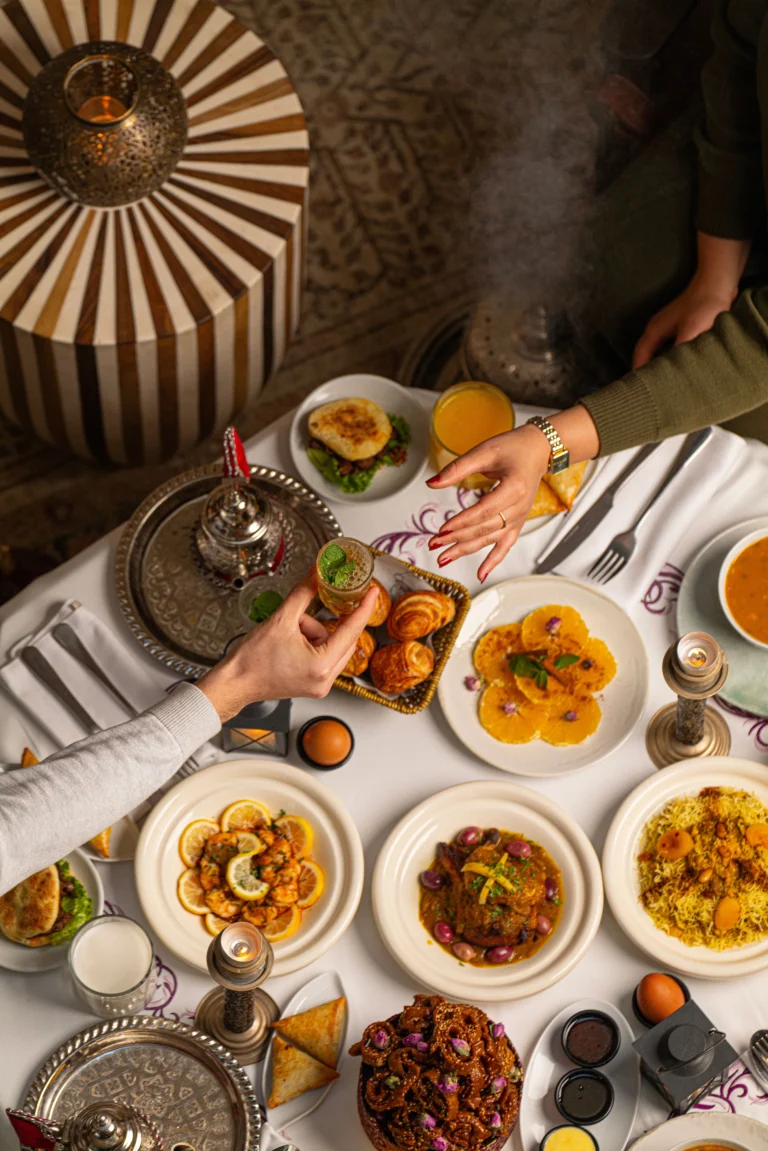
The evenings come alive with a vibrant energy. Families and friends gather for large, festive meals known as iftar. As a traveler, you can enjoy this special atmosphere. Just remember that public services might operate on limited schedules.
Participating in Local Festivals and Traditional Celebrations
Morocco hosts various cultural festivals celebrating its rich heritage. Events like the Gnaoua World Music Festival in Essaouira or the Imilchil Marriage Festival in the Atlas Mountains offer unique insights. These gatherings are perfect for witnessing authentic music, dance, and storytelling.
Etiquette Tips for Travelers During Religious Observances
Respecting local customs is key for a positive experience. When visiting during religious periods, keep these important etiquette tips in mind:
- Dress modestly, covering your shoulders and knees, in rural areas.
- Avoid eating, drinking, or smoking in public view during daylight hours in Ramadan.
- Always ask for permission before taking photographs of locals, during prayer times.
- Be patient with service staff, as they may be fasting and working under different conditions.
By following these simple guidelines, you show genuine respect for the local culture. This approach will help you build meaningful connections with the people you meet throughout your journey.
Creating Your Personalized Morocco Itinerary
Creating a personalized Morocco itinerary is key to experiencing the country’s true beauty. It balances your interests with the local climate. This way, your trip will be both comfortable and fulfilling.
Step-by-Step Guide to Mapping Out Your Route
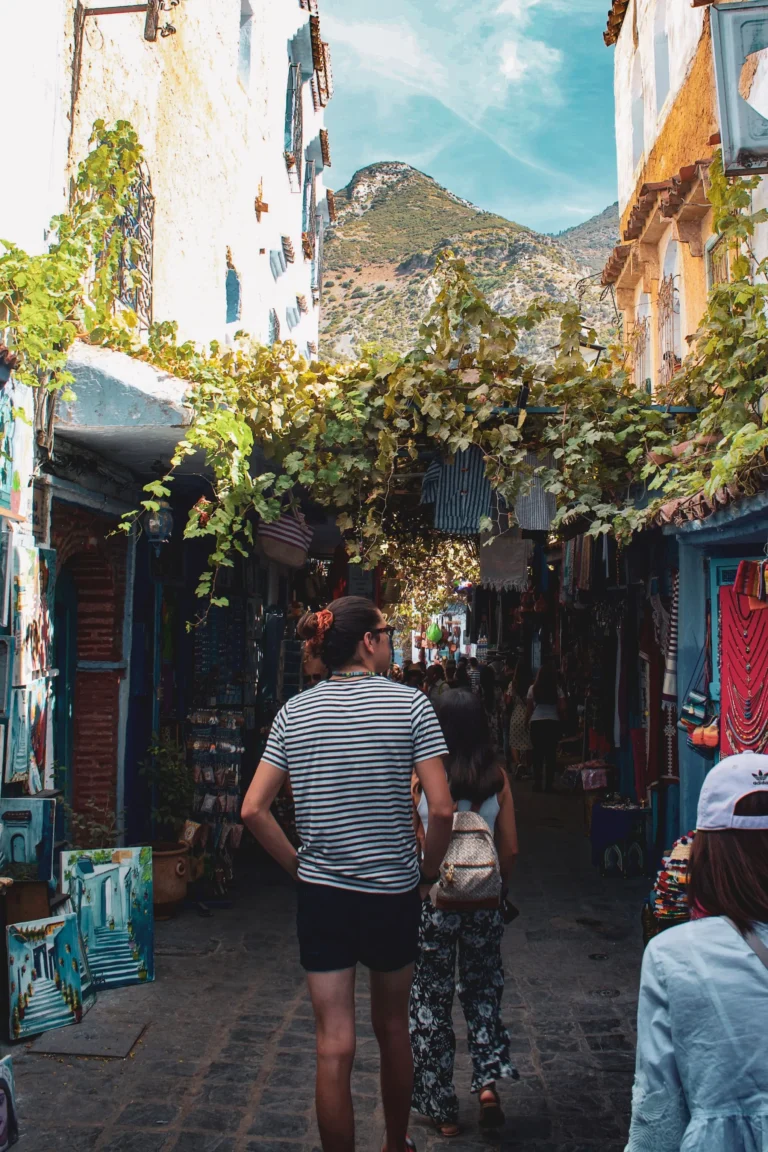
Begin by listing your top three destinations. Think of places like Marrakech’s souks, Chefchaouen’s blue streets, or Merzouga’s golden dunes. Plot these on a map to find the most efficient travel route.
Group your destinations by region to cut down on travel time. Efficiency is key when covering the vast distances. Spend at least two nights in each major spot to enjoy the culture without rushing.
Adjusting Your Plans Based on Seasonal Accessibility
Your travel route needs to be flexible for seasonal accessibility. For example, high mountain passes in the Atlas range may be snowed in during winter. You’ll need to change your driving path.
In summer, the heat can be too much for desert trips. Plan your outdoor activities for early morning or late evening. Always check the weather forecast a few days ahead. Staying adaptable lets you switch plans if needed, keeping your trip enjoyable.
Conclusion
Choosing the right window for your trip can make it unforgettable. Morocco is a mix of lively culture and breathtaking views. These change with the seasons.
You have the tools to match your travel dreams with the perfect weather and budget. Whether you want the snowy Atlas Mountains or the Sahara’s golden dunes, timing is key.
Look at your calendar and find the best time for you in Morocco. Your dream trip is waiting for you to make it real.
Begin booking your flights and hotels now for the best deals. Tell your friends or family about your trip to get them excited. Morocco is waiting for you.